When you run a small business in Australia, it is easy to feel pressure to “catch up” on Google reviews. You might see a competitor with hundreds of five-star reviews while you sit on 12 mixed reviews from the last three years. At some point, many owners wonder if buying Google reviews is the shortcut they need.
On the surface, it can look simple: pay a service, get a batch of five-star reviews, and watch your rating jump overnight. But there is a problem. Buying Google reviews is against Google’s policies, it is easy for customers to spot, and it can damage your rankings, your reputation, and your long-term business.
This guide explains why buying Google reviews is a bad idea for Australian businesses, what can actually happen when you do it, and how to build a clean, honest review system instead. You will also see practical ways to increase real Google reviews using simple systems and NFC/QR review tools from REVIEWUP.
What “buying Google reviews” actually means
When people talk about buying Google reviews, they usually mean one of four things:
- Paying a review seller – hiring a service or “growth agency” that posts five-star reviews from fake or low-quality accounts.
- Hiring overseas click farms – paying for bulk reviews written by people who have never used your business.
- Offering incentives – giving discounts, freebies, or gift cards in exchange for a “good” review, not just honest feedback.
- Review swaps or review pods – trading five-star reviews with other businesses instead of real customers.
All of these have one thing in common: the review does not represent a genuine customer experience. That is the core issue. Google wants reviews to reflect real visits, real jobs, and real results. When you pay for reviews or push only good ones, you distort that picture.
Why buying Google reviews breaks Google’s rules
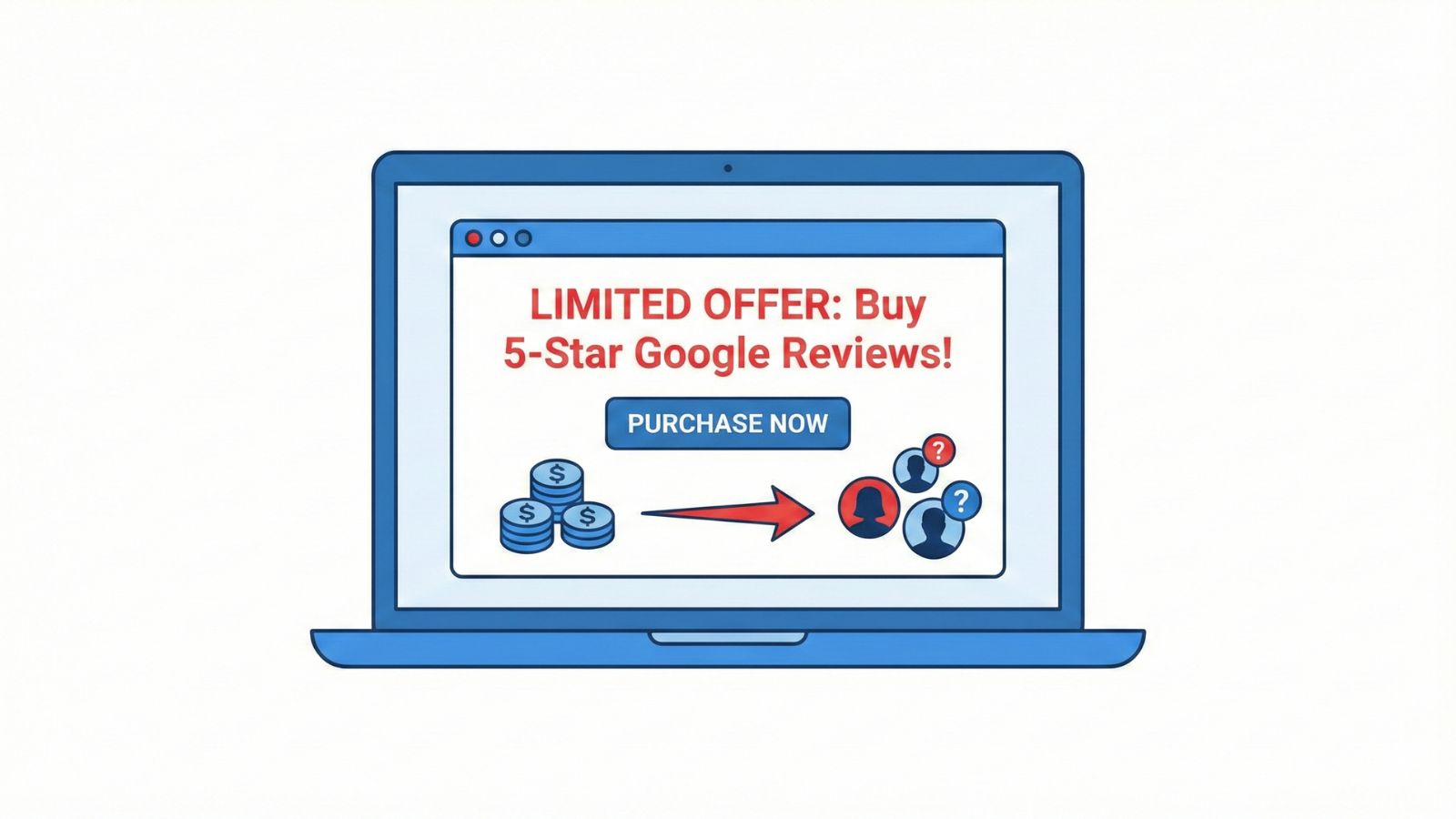
Google’s review policies are clear: reviews should be based on real experiences and should not be influenced by payment or incentives. When a review seller offers a bundle of five-star reviews for a fee, that directly conflicts with these rules.
Google also warns against:
- reviews from people with a conflict of interest
- reviews posted in exchange for money, discounts, or freebies
- content that does not reflect a genuine experience
If Google suspects that a business is buying reviews or pushing misleading feedback, it can:
- remove suspicious reviews
- apply ranking penalties
- place warning labels on the profile
- in serious or repeated cases, restrict or suspend the Google Business Profile
This can undo years of work in local SEO and make it harder for real customers to find you in search and on Maps.
The real risks for Australian businesses
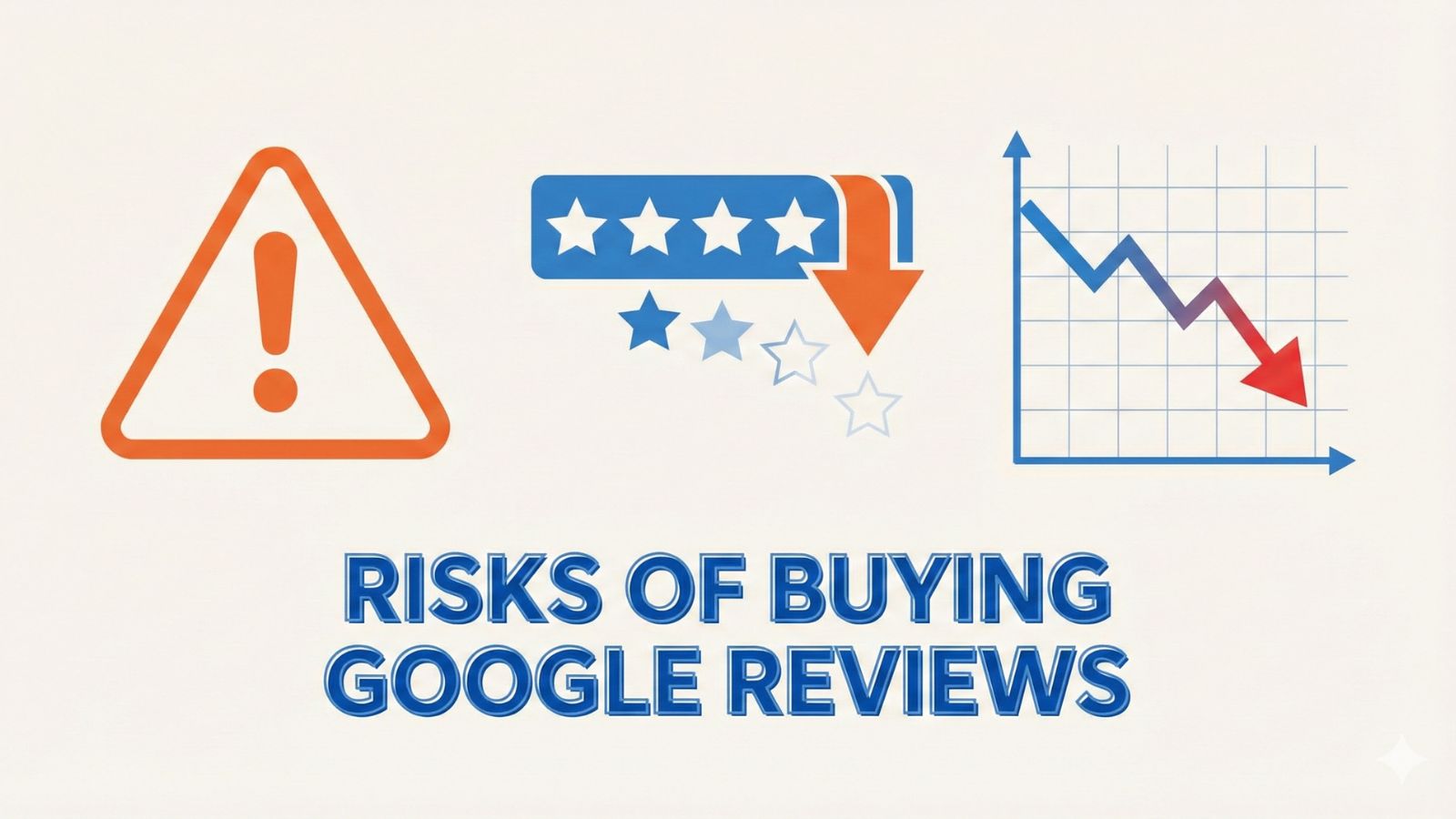
Buying Google reviews can feel like a quick fix, but it exposes your business to several long-term risks.
1. Damage to trust and reputation
Customers can often sense when reviews look fake. They might notice:
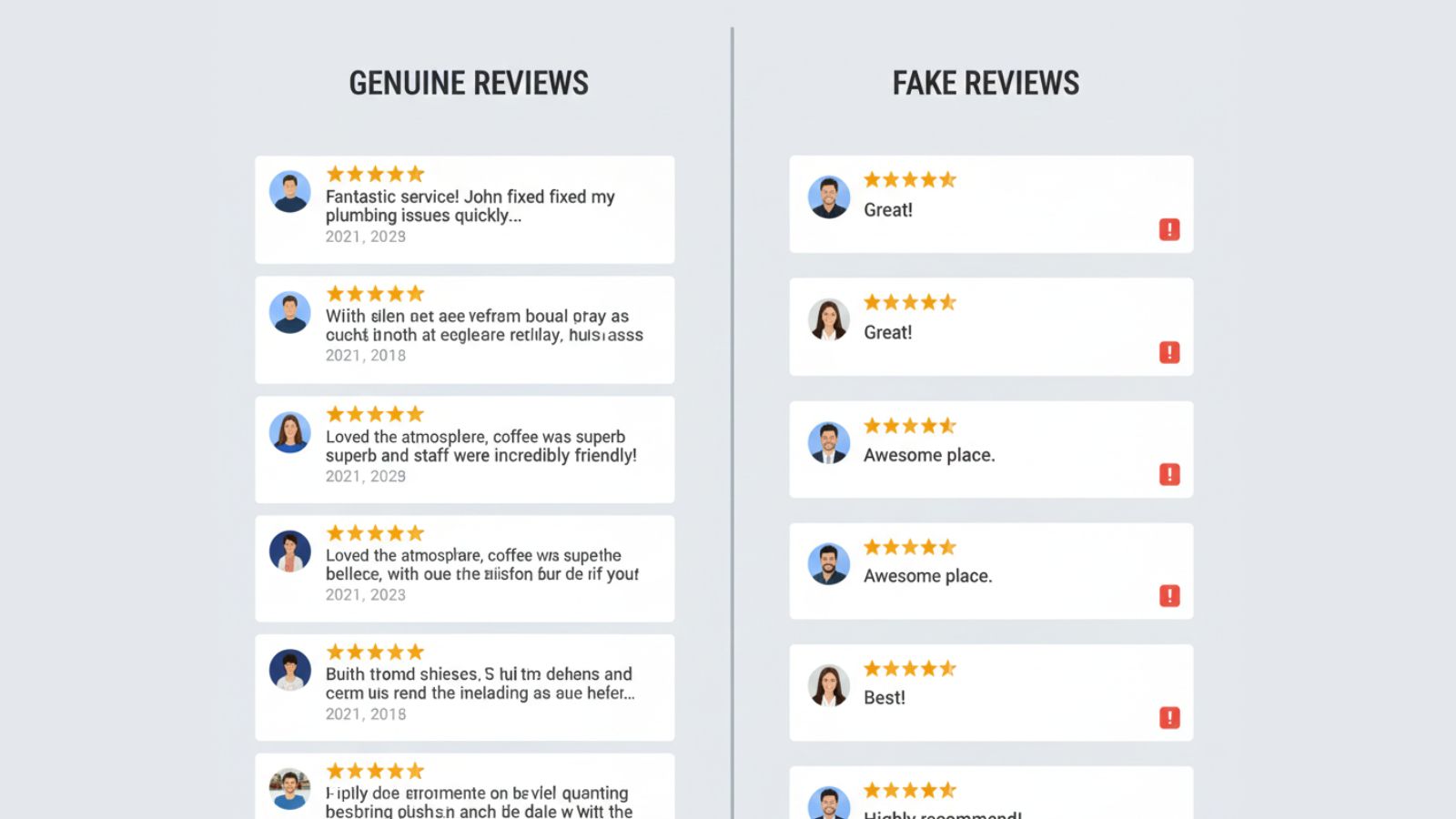
- dozens of short, generic reviews in a short time
- overseas names for a very local business
- similar wording across many “customers”
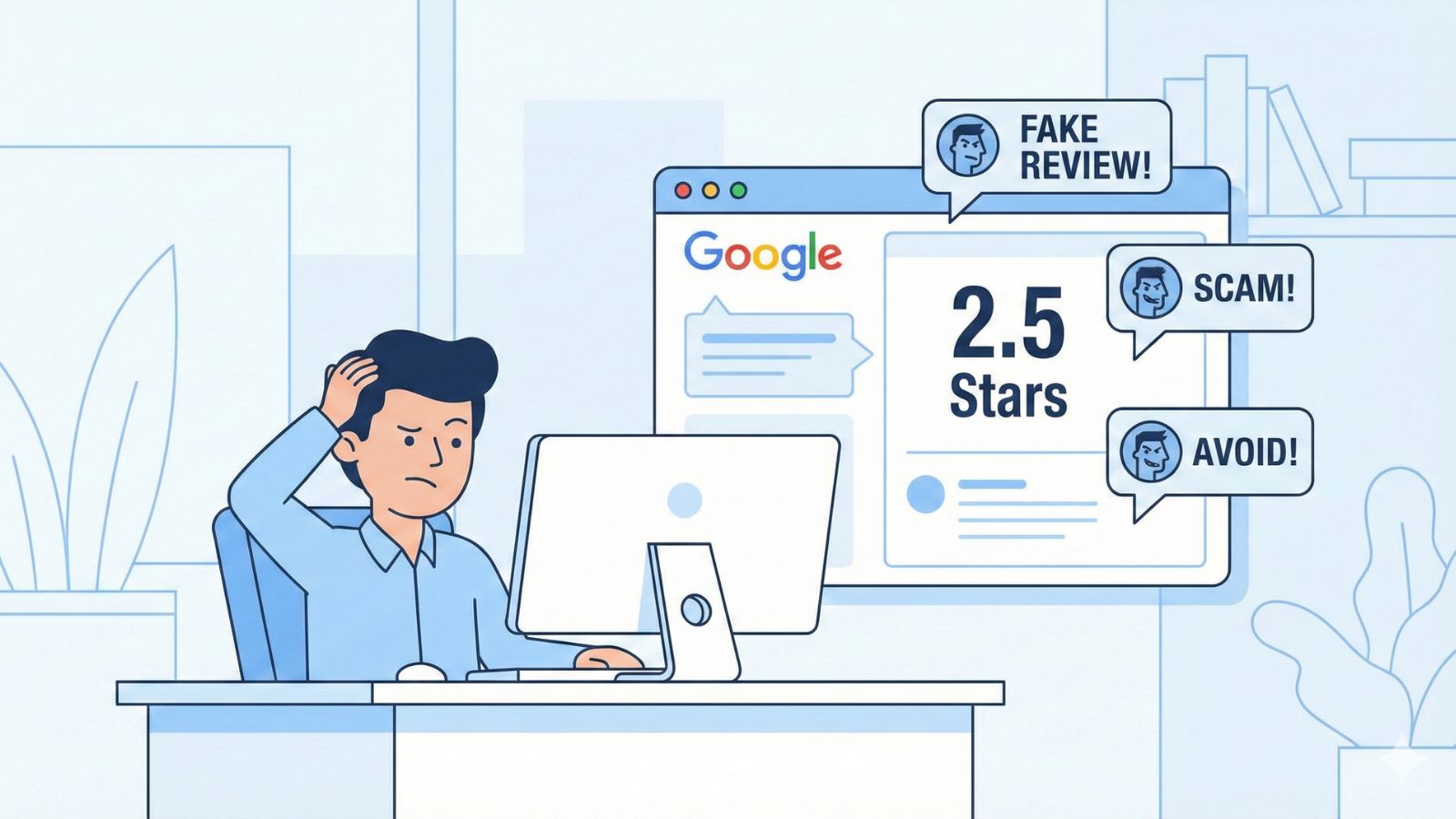
Once people suspect your reviews are fake, they start to question everything else. They may wonder what you are hiding, or whether you are honest in other parts of your business.
2. Risk to your Google Business Profile
If Google detects fake or manipulated reviews, it can remove them, reduce visibility, or in serious cases, restrict your profile. Overnight, your map rankings can drop, your star rating can change, and new customers may struggle to find you.
3. Local word-of-mouth damage
Australians are quick to share their thoughts, especially when something feels unfair or dishonest. If regulars or local customers suspect that you are buying reviews, it can damage offline trust and word-of-mouth, not just what people see online.
4. Legal and regulatory risk
In extreme cases, fake reviews can cross into misleading or deceptive conduct. Consumer regulators in different countries are paying more attention to review manipulation. For most small businesses, the bigger concern is reputation, but it is still a reminder that fake reviews are not just “a bit cheeky” — they can be seen as misleading.
How customers (and Google) can spot fake reviews
Many owners think fake reviews will “blend in.” Often they do not. There are patterns that both customers and review platforms look for when trying to spot review manipulation.
Red flags for customers
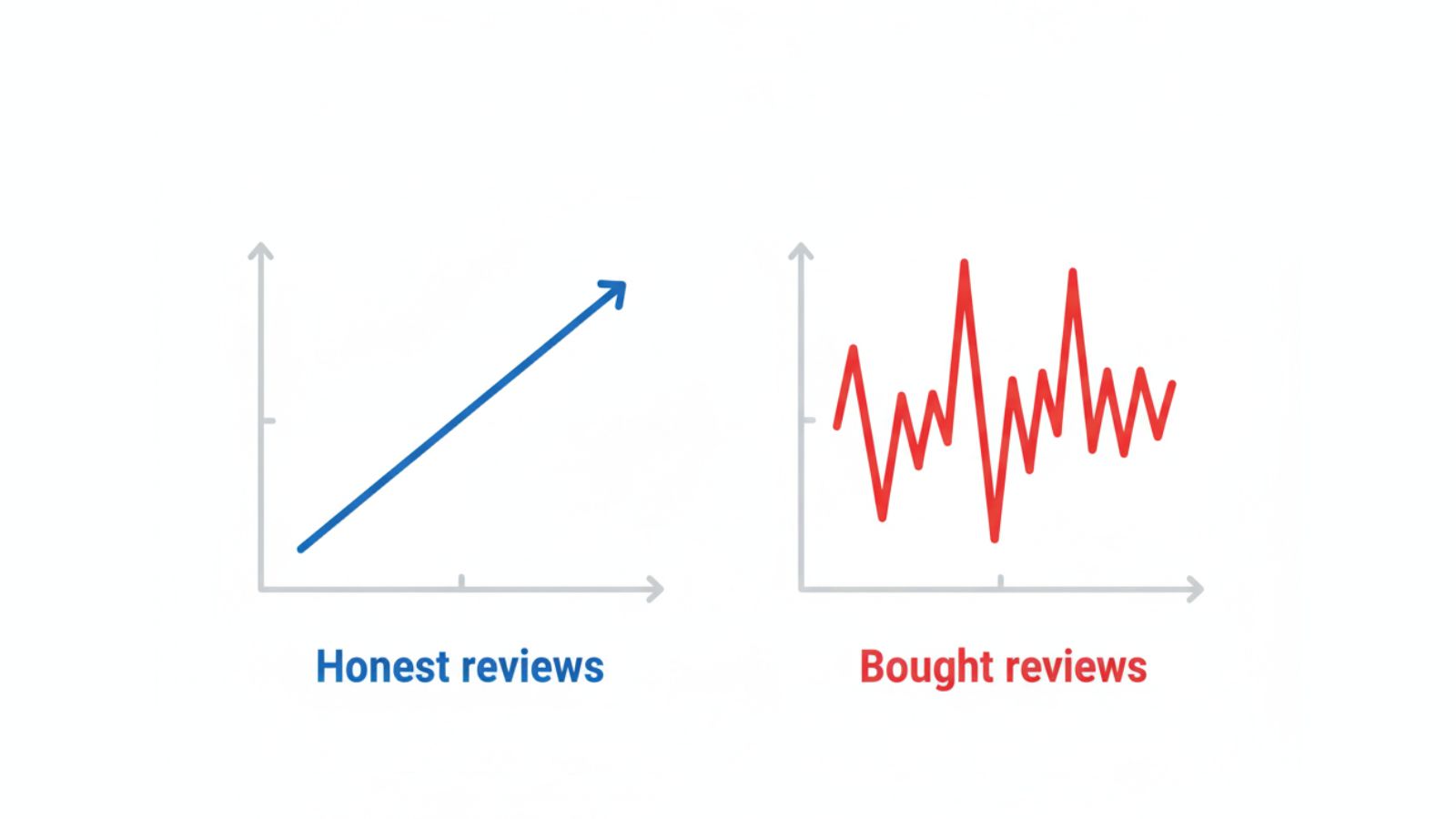
- Unnatural timing – large bursts of five-star reviews in a short period, then nothing for months.
- Thin content – reviews that say almost nothing apart from “great service” or “highly recommended” without detail.
- Unrelated locations – profiles from overseas or from far outside your service area, all reviewing a local-only business.
- Same voice – similar phrases, grammar, or tone across many different “customers.”
Signals Google can analyse
Google does not reveal its full detection systems, but it can look at:
- account history and behaviour
- patterns of reviews across multiple businesses
- sudden rating changes and spikes
- IP addresses and suspicious review networks
As detection improves, more fake reviews are removed, and more profiles are flagged. That means a short-term boost from buying reviews can be followed by a sharp drop and warning signals on your profile.
Why buying Google reviews feels tempting
If you have ever thought about buying Google reviews, you are not alone. The pressure is real:
- Competitors with long-standing profiles and hundreds of reviews.
- Customers sorting by “Top rated” before they choose a provider.
- Slow, uneven review growth even when customers are happy.
From the outside, it can feel like the only way to “even the score” is to pay for reviews, especially if you suspect that others are not playing fair. The problem is that it pulls you into a game where the rules keep changing and the risks keep growing.
A better approach is to accept that reviews are a long-term signal, then build a system that:
- makes it easy for happy customers to leave a review
- uses tools that work every day inside your business
- respects Google’s policies and your own values
A better way: build a real review engine
Instead of buying Google reviews, focus on building a review engine that turns real customer experiences into visible, honest feedback. That engine rests on four pillars:
- Strong service – you consistently deliver good work or great experiences.
- Simple paths – customers can leave a review with a tap, scan, or click.
- Clear timing – you ask at the right moment, close to the service.
- Steady habits – your team follows the same script and steps every week.
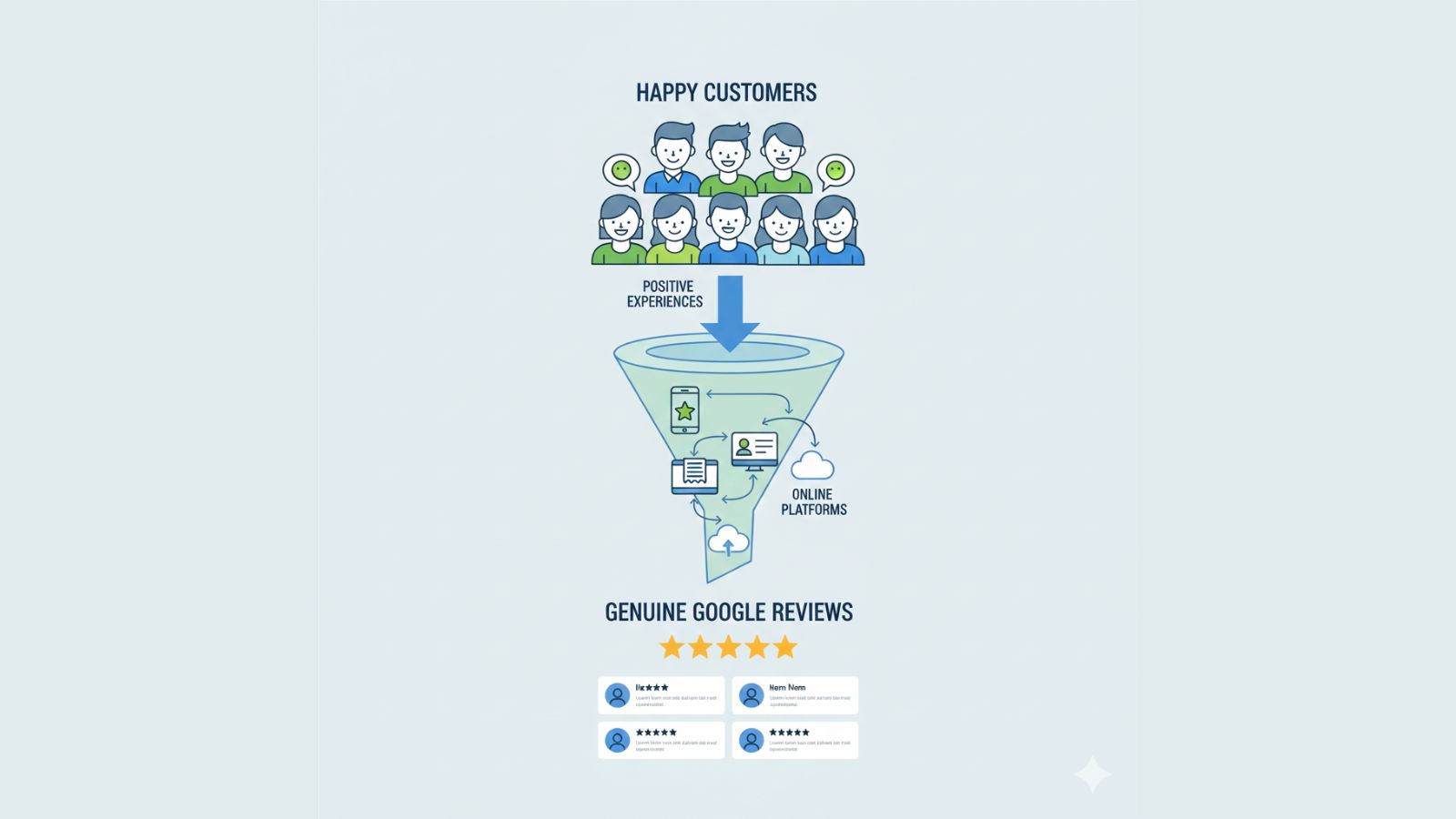
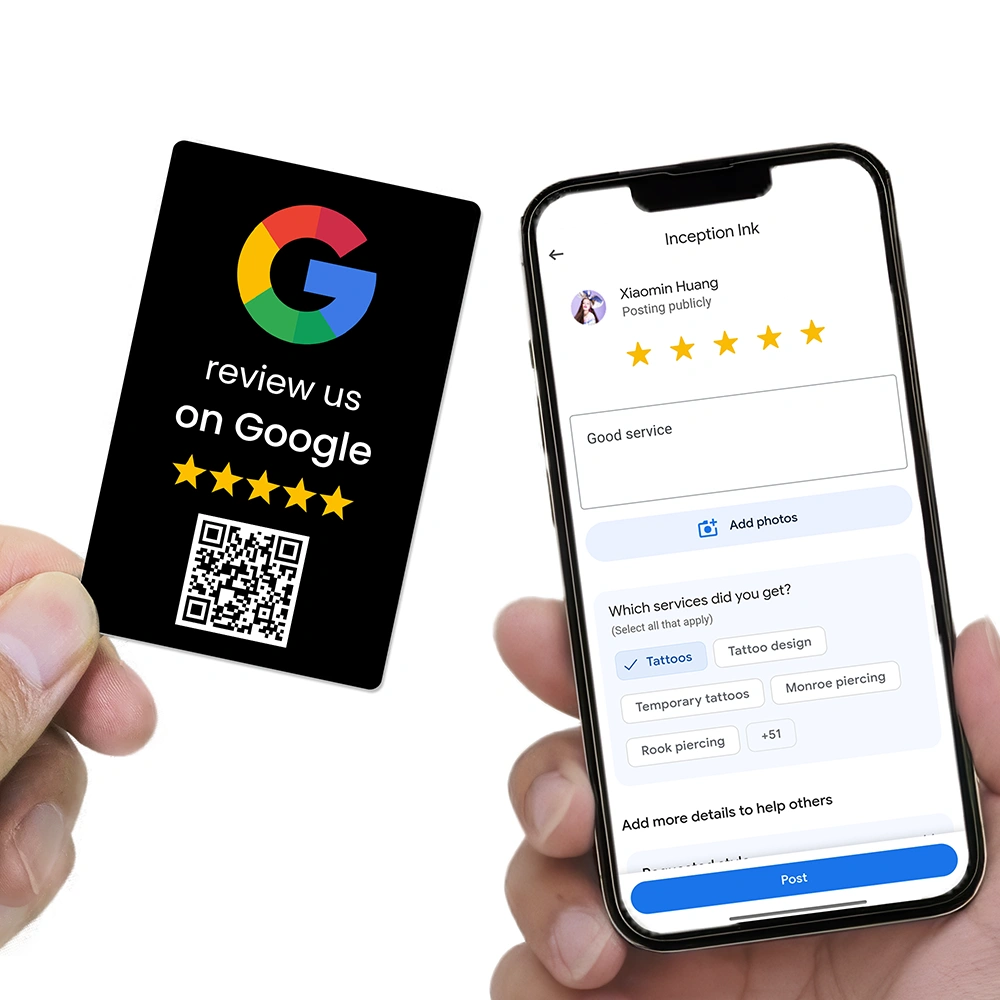
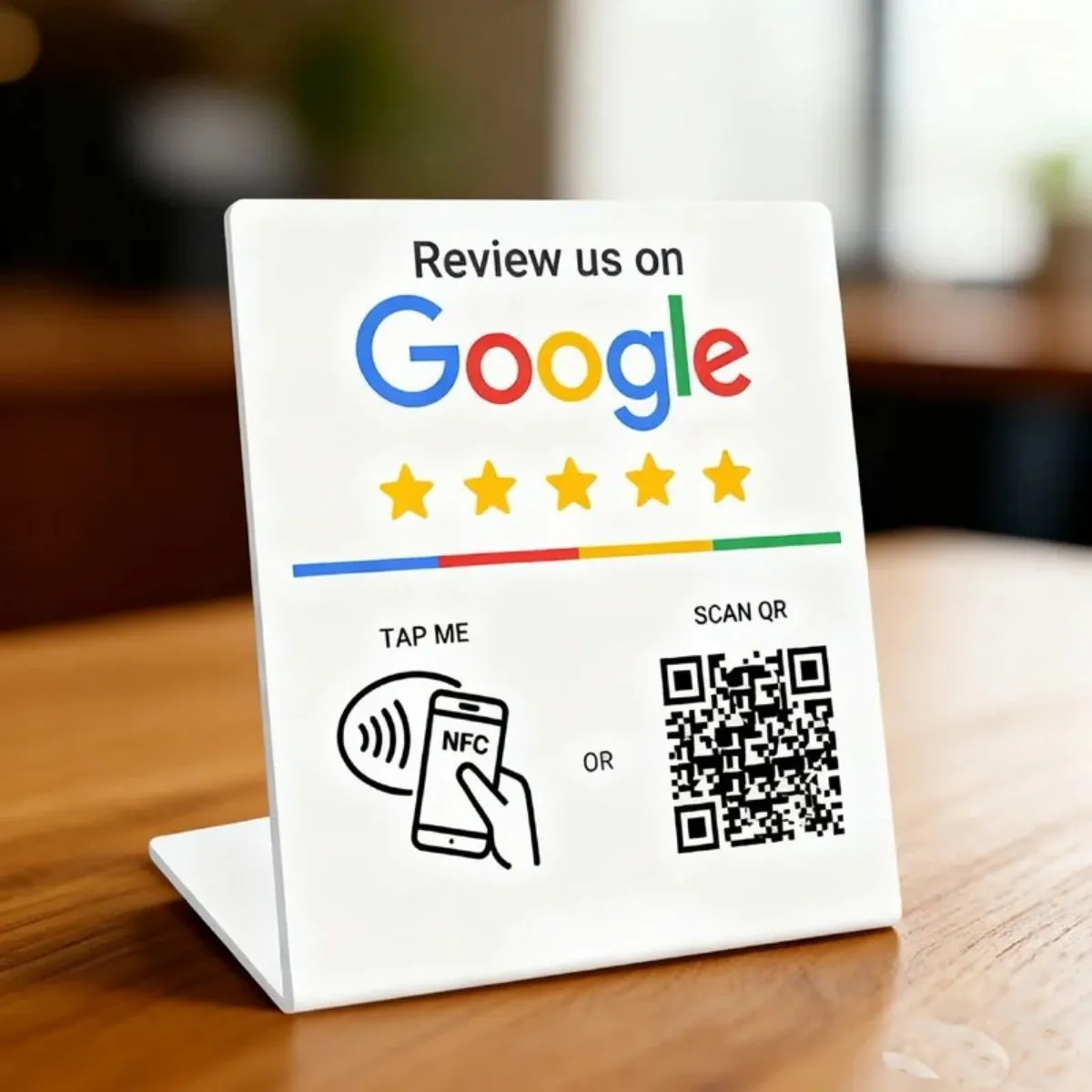
REVIEWUP products are built to support this kind of engine. Instead of faking reviews, they make it easier for real customers to leave them:
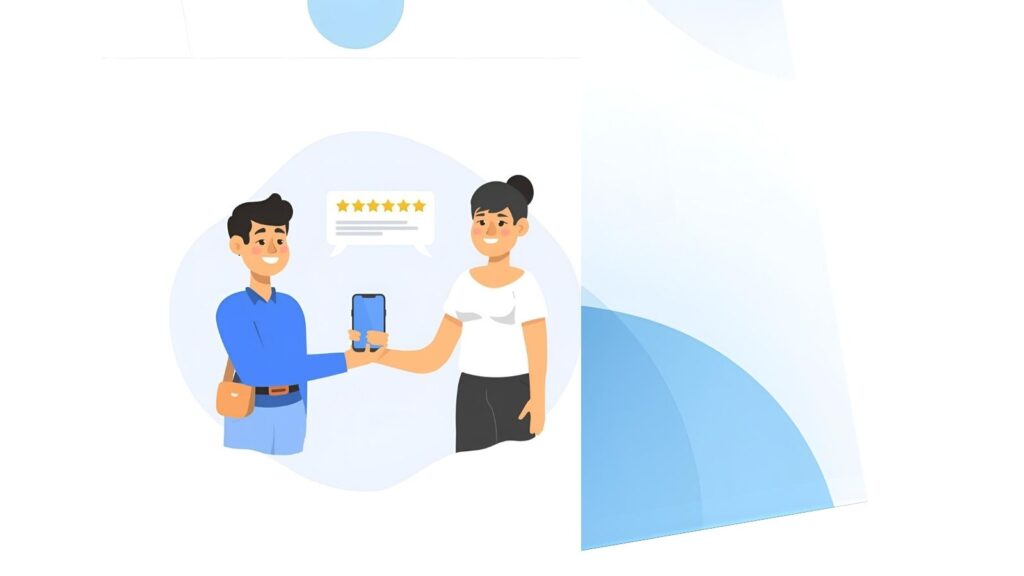
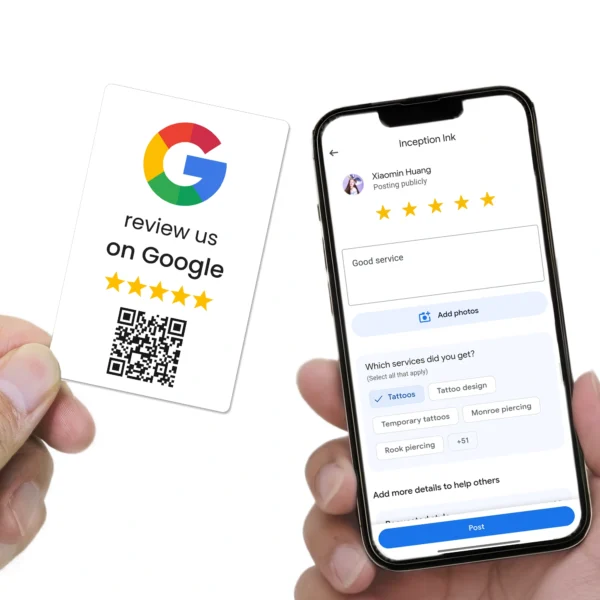
- Google Review Cards that staff can hand to happy customers.
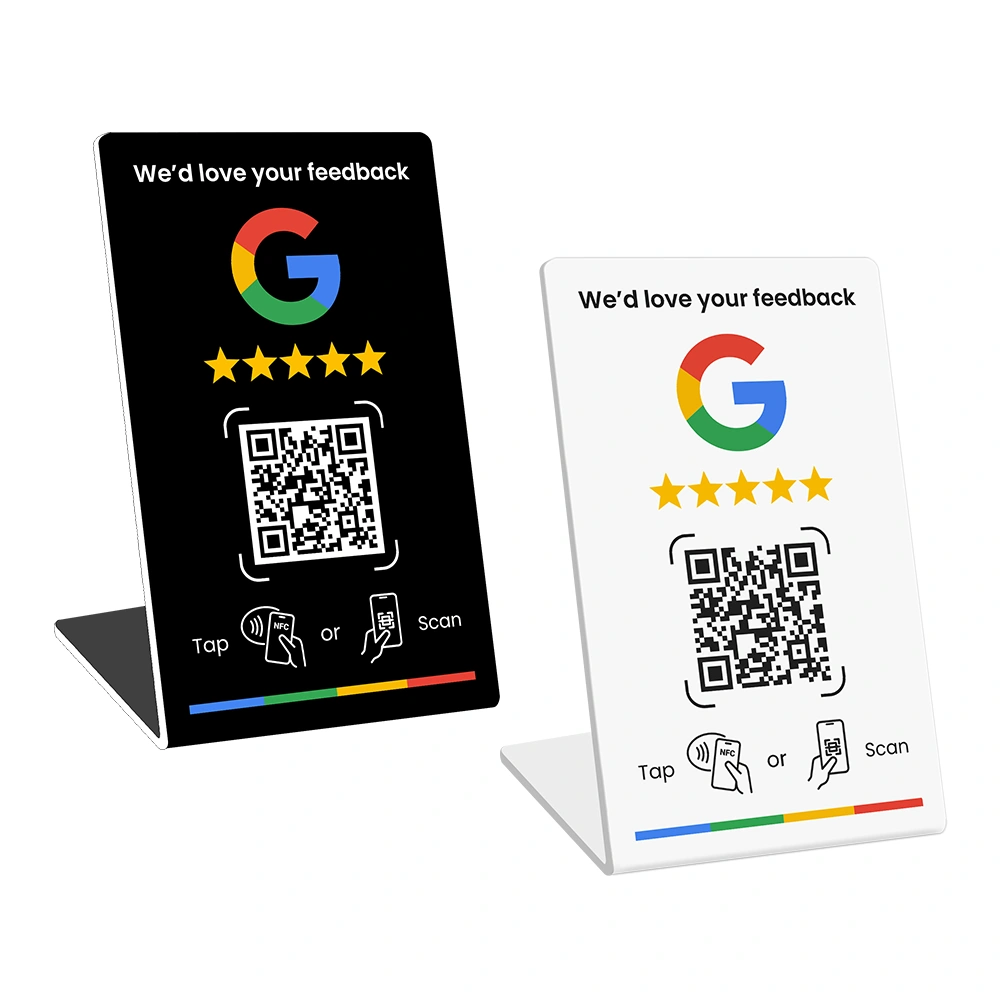
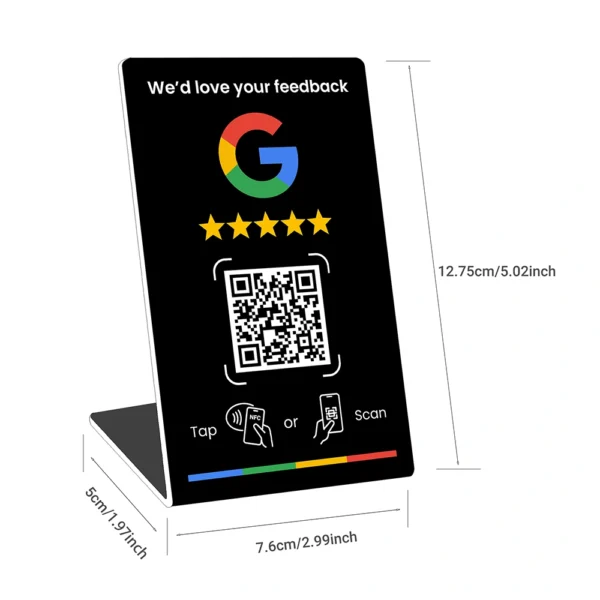
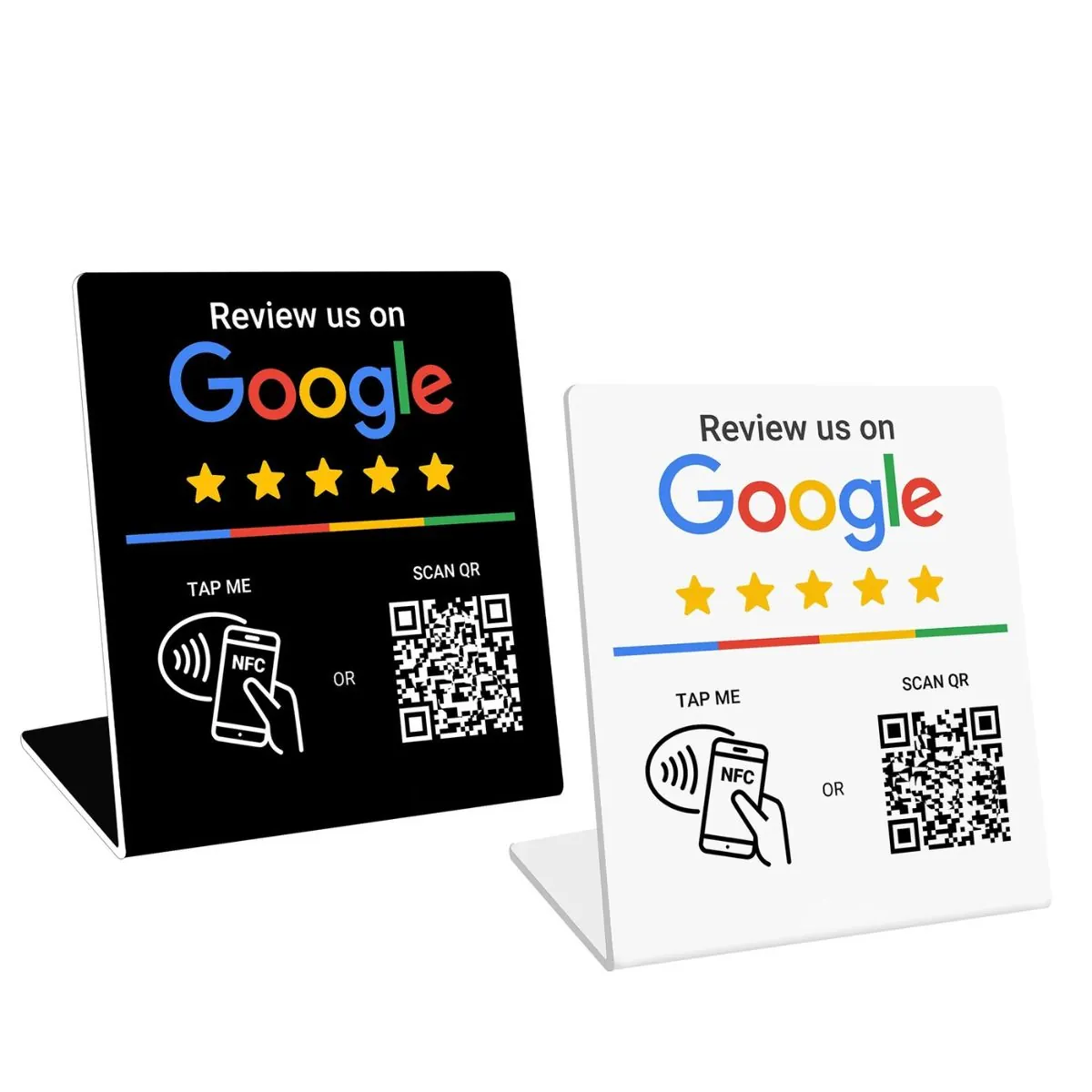
- Google Review Stands on counters, reception desks, and payment points.
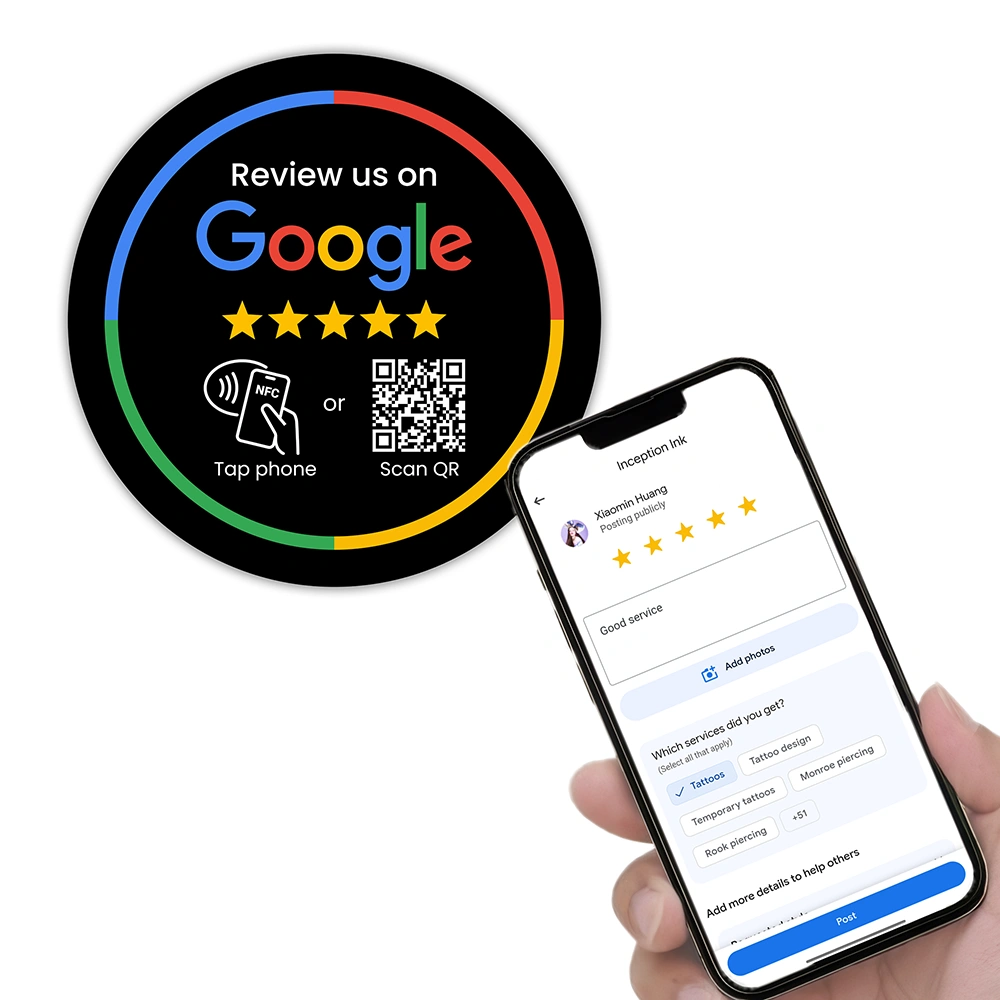
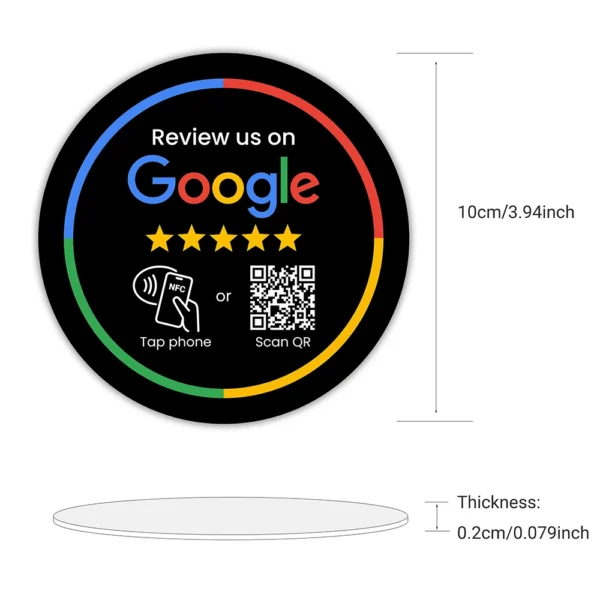
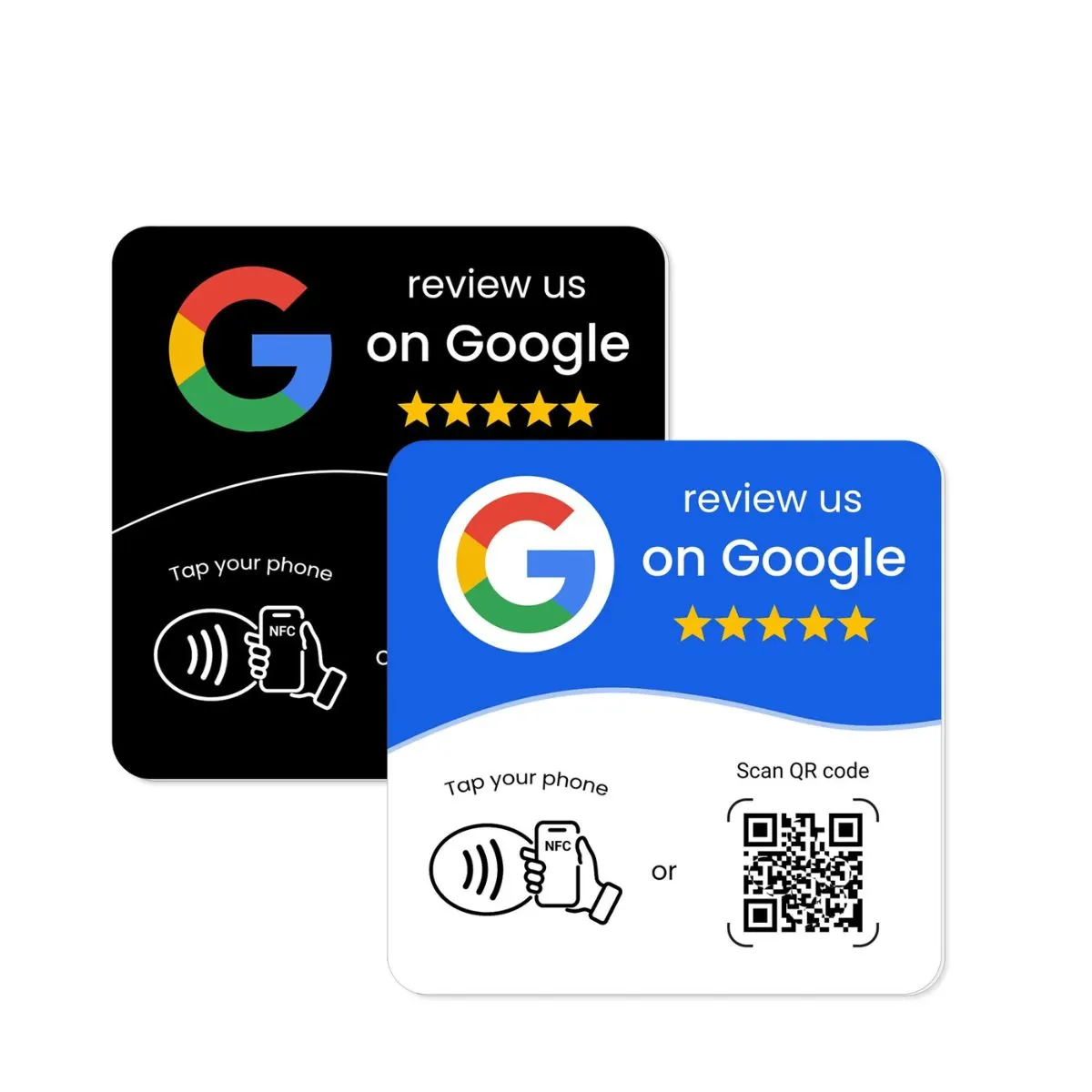
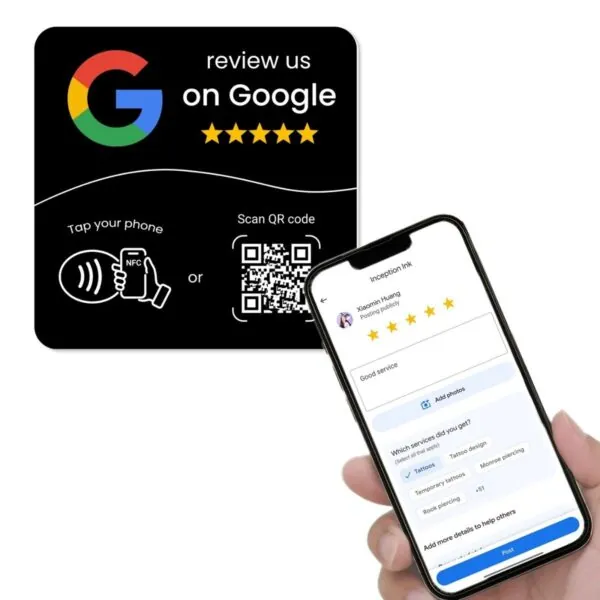
- Google Review Plates on walls and in waiting areas.
Simple playbook: get more real reviews instead of buying them
Here is a straightforward playbook any Australian small business can follow instead of buying Google reviews.
1. Fix your direct Google review link
Use your Google Business Profile dashboard to generate a direct review link that opens the review box. Save this link in a shared note, CRM, or email template so your team can use the same link every time.
2. Choose your main touchpoints
Pick the moments when customers are most likely to be happy and relaxed:
- after payment at a cafe or salon
- at the end of a service visit for trades
- the day after a consultation or treatment
Connect those moments to your review tools:
- review cards handed to customers
- review stands or plates near the counter
- a short email or SMS with your direct review link
3. Write one simple script for staff
Give your team a short script they can use in their own words. For example, at a Melbourne cafe:
4. Add light automation
Use tools you already have to send follow-up messages:
- email templates attached to invoice or booking systems
- SMS templates in job management apps
- simple reminders in your calendar for larger projects
For practical examples, you can read:
- How to Automate Google Review Requests (No Software Needed)
- How to Get More Google Reviews Without Annoying Customers
- Why Customers Ignore Review Requests — and How Do I Fix It?
5. Track basic numbers
Each month, track:
- how many jobs or visits you complete
- how many review requests you send
- how many reviews you receive
This gives you a simple review response rate and shows whether your honest system is working.
What if your competitor is buying fake reviews?
It is frustrating when you suspect a competitor is buying reviews. Their profile jumps, their rating climbs, and you know the feedback does not match real experiences.
There are two parts to dealing with this:
- Protect your own house – keep your review system clean, honest, and aligned with policy.
- Report serious abuse – if you see clear, repeat fake review behaviour, you can flag reviews to Google and use their reporting channels.
Even if action is slow, it is better to stay on the right side of the rules and focus on building a strong, sustainable profile for your own business. Over time, real customers learn to trust genuine feedback more than perfect-looking scores.
FAQs about buying Google reviews
Is buying Google reviews illegal?
Buying Google reviews can breach platform policies and, in some cases, consumer law if it misleads customers. At a minimum, it is strongly discouraged and carries real risks for your profile and reputation.
Will Google actually catch fake reviews?
Google removes fake and suspicious reviews every day and keeps improving its detection systems. Not every fake review is caught immediately, but the risk grows over time, not lessens.
What happens if Google removes my bought reviews?
Your rating can drop suddenly, your profile may show fewer reviews than before, and in serious cases, your visibility in Maps and local search can be reduced. It also raises questions for customers who notice sudden changes.
How can I catch up if competitors have fake reviews?
Focus on building a clean, consistent review system that encourages real customers to share feedback. Use NFC and QR tools, clear scripts, and good timing. It may be slower at first, but it is safer and more stable in the long run.
Can I offer a discount if someone leaves a review?
Offering discounts or rewards in exchange for reviews is risky and can conflict with Google’s guidelines. It is better to ask most customers for honest feedback and focus on making the process quick and simple.
What should I do instead of buying Google reviews?
Build a simple review engine: fix your direct review link, add NFC/QR review tools, create one email and one SMS template, and ask at the right moments. Over time, real reviews from happy customers will do far more for your brand than any paid review ever could.
Written for Australian small and local businesses.