
In today’s digital age, online reviews have become a cornerstone of consumer decision-making. They serve as a modern word-of-mouth, influencing potential customers and shaping the reputation of businesses. When someone is considering a purchase, they often turn to reviews to gauge the quality and reliability of a product or service.
This is where platforms like Google and Facebook come into play, providing a space for customers to share their experiences and opinions. Google and Facebook are two of the most popular platforms for customer reviews, each with its unique features and audience. Google, being the largest search engine in the world, allows users to leave reviews directly on business listings, making it an essential tool for local SEO.
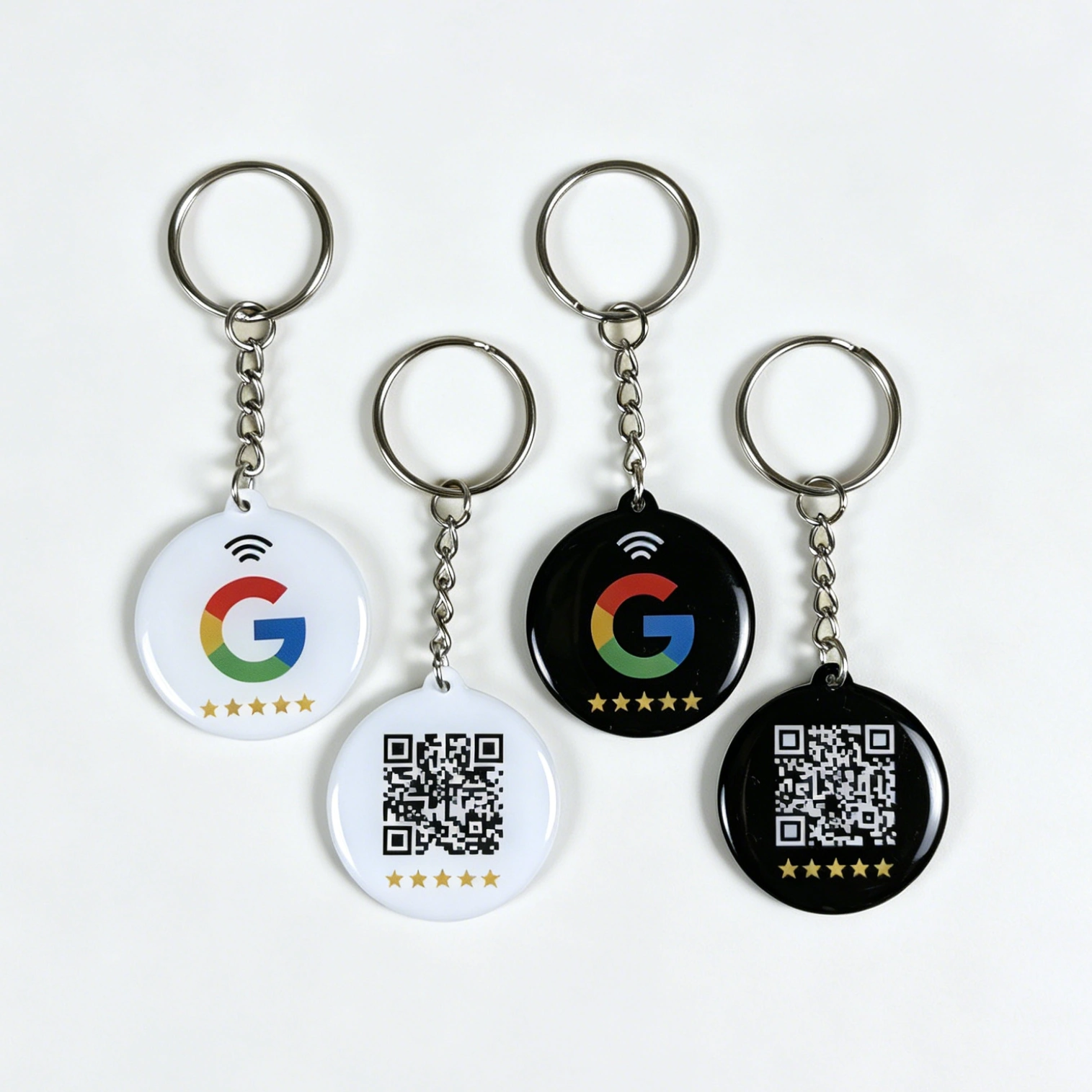
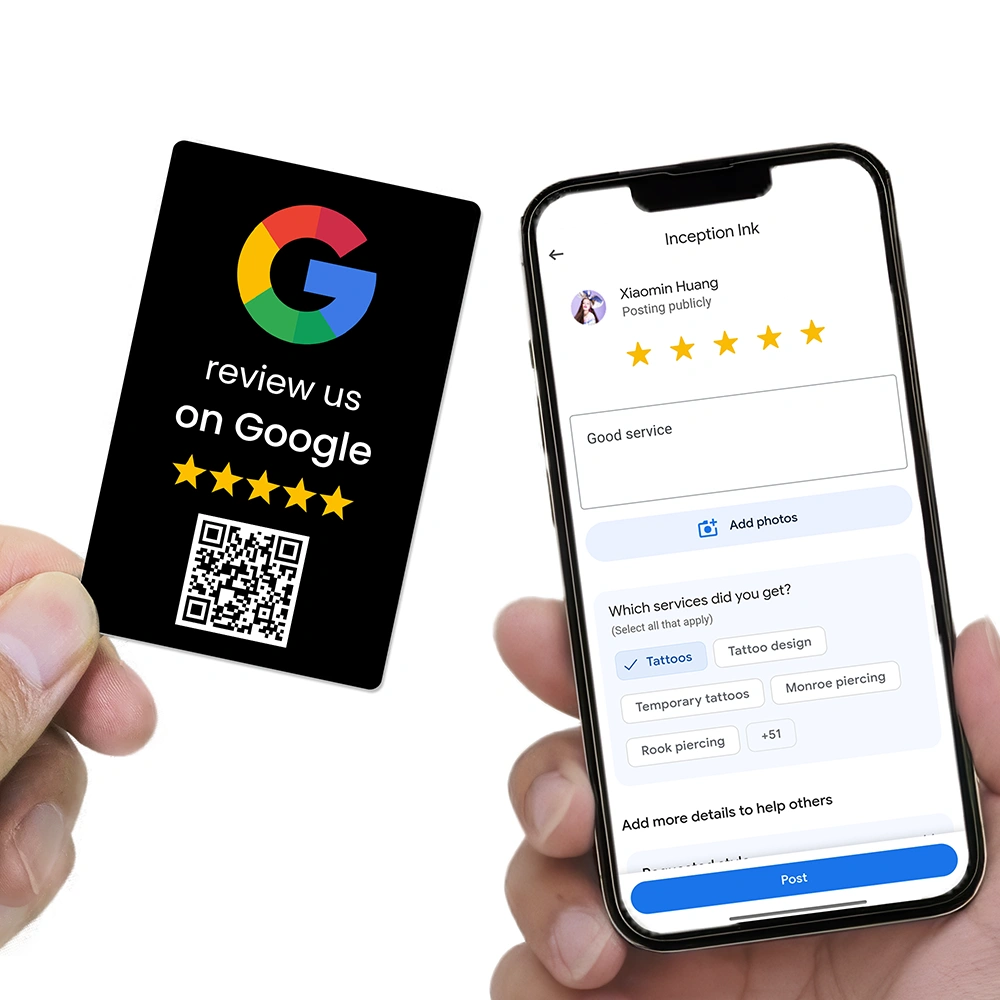
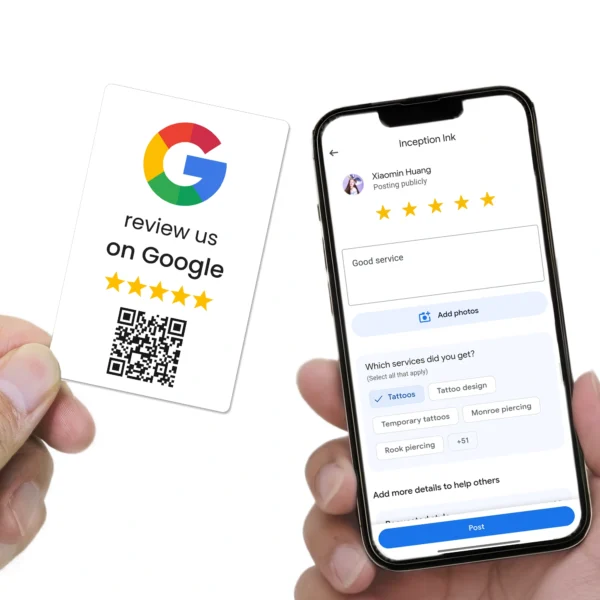
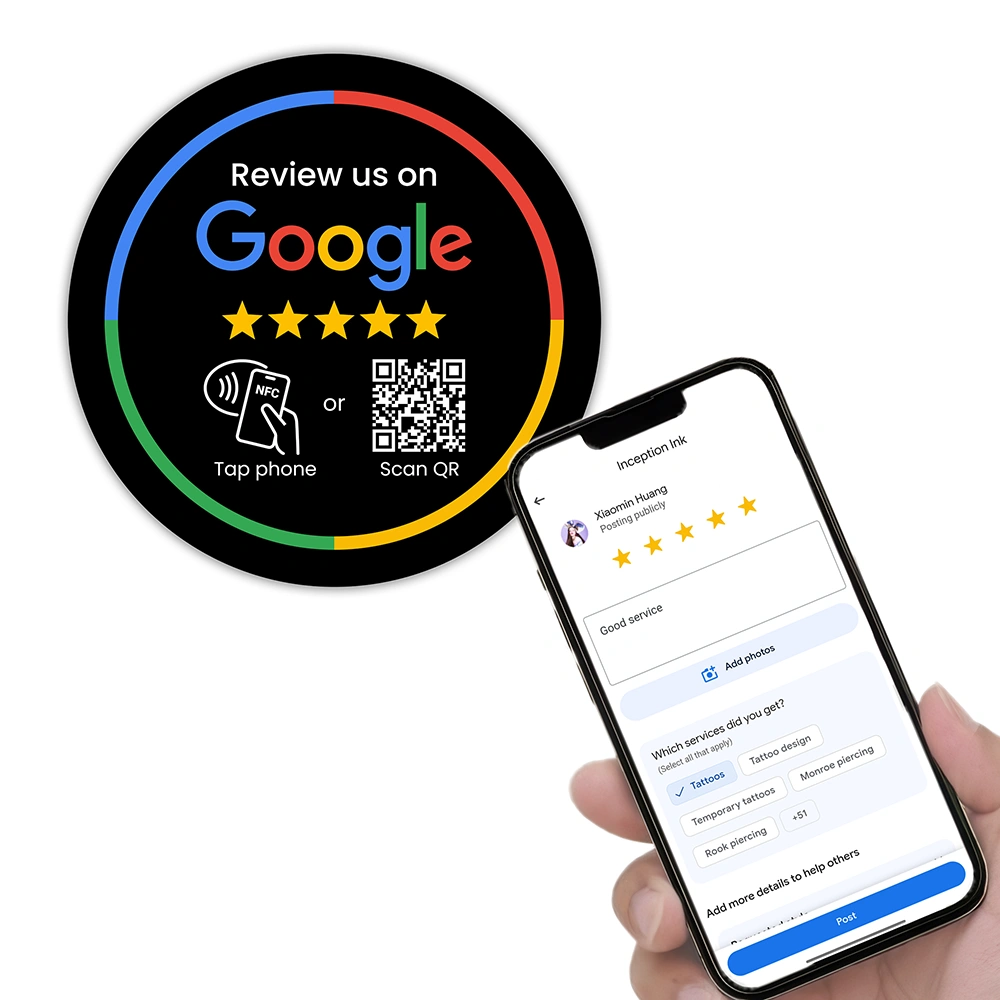
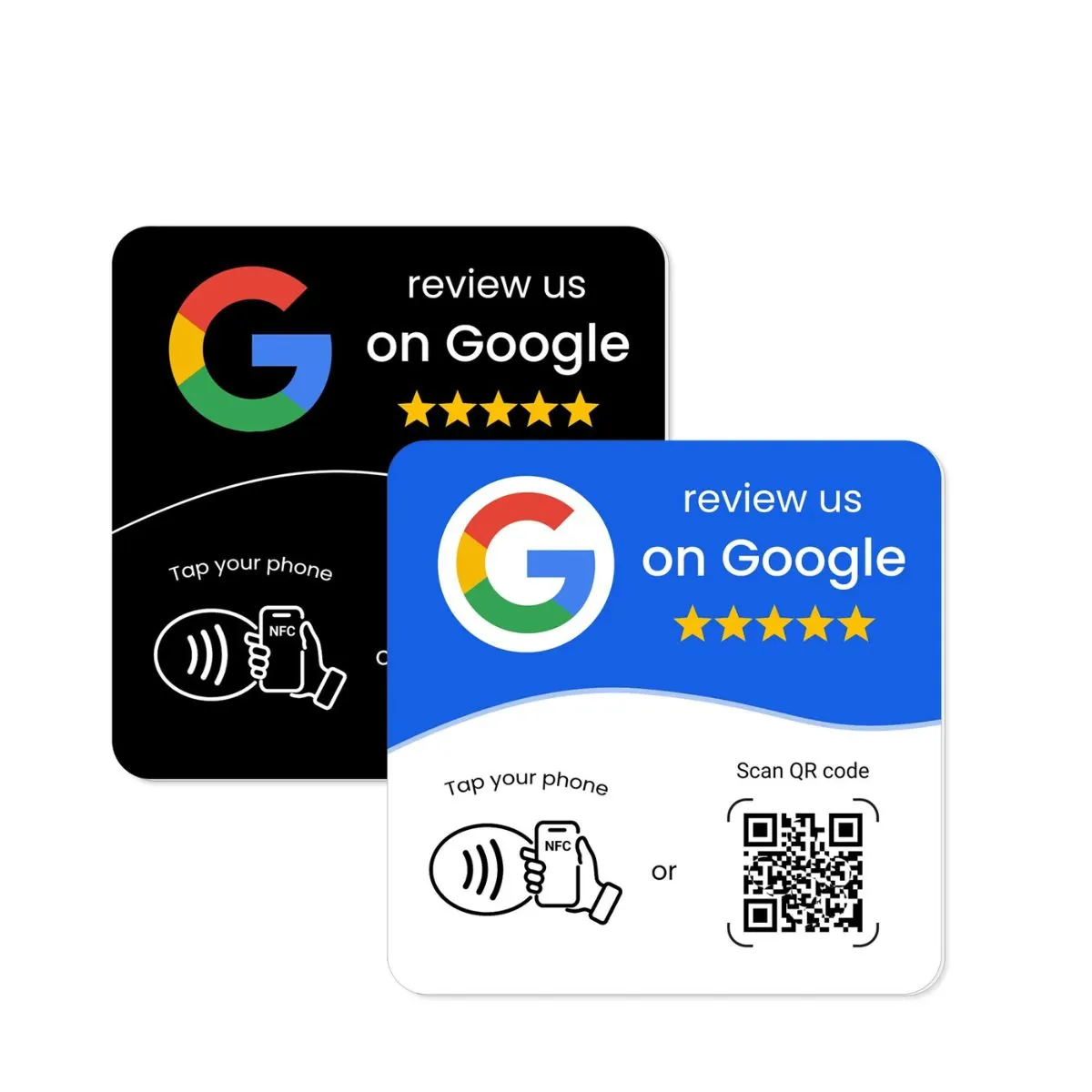
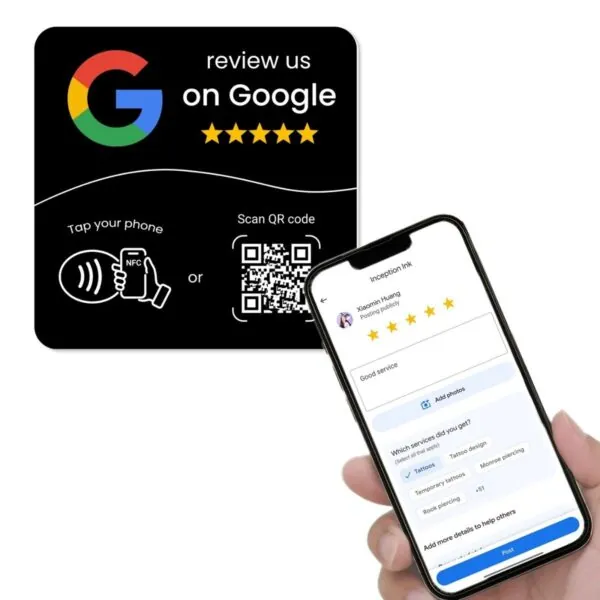
On the other hand, Facebook, with its vast social network, offers a more community-driven approach to reviews, allowing users to share their experiences within their social circles. Understanding how these platforms work can help small business owners leverage them effectively to enhance their online reputation. You can easily showcase customer feedback on your website using the Google Review Card.
Key Takeaways
- Google and Facebook are key platforms for customer reviews, crucial for online reputation.
- Google offers easier navigation and broader accessibility for both users and businesses.
- Reviews on Google are generally seen as more trustworthy due to stricter fake review controls.
- Facebook reviews have strong social reach but may have less impact on search engine rankings.
- Businesses benefit from actively managing reviews on both platforms to enhance visibility and consumer trust.
User Interface and Accessibility
When it comes to user experience, both Google and Facebook have designed their platforms to be intuitive and user-friendly. On Google, leaving a review is straightforward. Users simply search for a business, click on its listing, and scroll down to the review section.
The interface is clean and minimalistic, allowing customers to rate their experience with stars and leave detailed comments. This simplicity encourages more users to share their thoughts, as the process feels quick and hassle-free. Facebook, however, takes a slightly different approach.
Users can leave reviews on a business’s Facebook page, which is often integrated with their personal profiles. This means that when someone writes a review, it can be seen by their friends and followers, adding a layer of social validation. The interface is also user-friendly, but it may require users to navigate through a few more steps compared to Google.
For businesses, this means that while Google reviews may be easier to access for customers, Facebook reviews can carry more weight due to their social context.
Trust and Credibility

Trustworthiness is a critical factor when it comes to online reviews. Consumers want to feel confident that the feedback they read is genuine and reflective of real experiences. Google has established itself as a reliable source for reviews by implementing various measures to ensure authenticity.
For instance, Google uses algorithms to detect suspicious activity and encourages users to report fake reviews. This proactive approach helps maintain the credibility of the reviews on its platform. Facebook also takes steps to combat fake or biased reviews but faces unique challenges due to its social nature.
Since users can leave reviews based on personal connections or experiences shared within their network, there’s a risk of bias. However, Facebook has introduced features that allow businesses to respond publicly to reviews, fostering transparency and accountability. Both platforms strive for credibility, but Google’s more stringent verification processes may give it an edge in perceived trustworthiness.
Reach and Visibility
The potential audience reach for reviews on Google and Facebook varies significantly due to the nature of each platform. Google reviews are visible not only on the search engine but also on Google Maps, making them highly accessible to anyone searching for local businesses. This visibility can significantly impact a business’s foot traffic and online presence.
When potential customers see positive reviews on Google, they are more likely to choose that business over competitors. In contrast, Facebook reviews benefit from the platform’s vast social network. When someone leaves a review on Facebook, it can be shared within their network, potentially reaching hundreds or even thousands of people.
This social sharing can amplify the impact of positive reviews but may also expose businesses to negative feedback in a public forum. While both platforms enhance visibility, Google’s integration with search results makes it particularly powerful for local businesses looking to attract new customers.
Integration with Business Profiles
Both Google and Facebook offer features that allow businesses to manage their online presence effectively. On Google, businesses can claim their listings through Google My Business (GMB), where they can respond to reviews, update information, and post updates about their services. This integration not only helps businesses engage with customers but also improves their search engine ranking by keeping their profiles active and up-to-date.
Facebook provides similar tools through its business pages, where owners can respond to reviews and interact with customers directly. The ability to engage with reviewers publicly can enhance a business’s reputation and show potential customers that they value feedback. However, while both platforms offer valuable tools for managing reviews, Google’s direct impact on search engine rankings makes it particularly crucial for businesses focused on local SEO.
Review Filtering and Moderation

Review filtering and moderation are essential components of maintaining the integrity of online reviews. Google employs sophisticated algorithms that automatically filter out spammy or inappropriate content before it reaches potential customers. Additionally, users can flag suspicious reviews for further investigation by Google’s team.
This proactive approach helps ensure that only genuine feedback is visible to the public. Facebook also has moderation tools in place but relies heavily on user reporting for inappropriate content. While this community-driven approach can be effective, it may lead to delays in addressing problematic reviews.
Businesses must be vigilant in monitoring their Facebook pages to ensure that any inappropriate content is addressed promptly. Both platforms have their strengths in moderation; however, Google’s automated filtering may provide a more immediate solution for businesses concerned about maintaining a positive online image.
Impact on Consumer Decision Making
The influence of online reviews on consumer purchasing decisions cannot be overstated. Research shows that a significant percentage of consumers read online reviews before making a purchase, with many trusting these reviews as much as personal recommendations from friends or family. On both Google and Facebook, positive reviews can significantly sway potential customers toward choosing one business over another.
However, the perceived credibility of reviews can differ between platforms. Google reviews are often seen as more objective due to the platform’s focus on factual information about businesses. In contrast, Facebook reviews may carry more emotional weight because they are often tied to personal experiences shared within social networks.
This difference highlights the importance for businesses to actively manage their presence on both platforms—encouraging satisfied customers to leave positive feedback on Google while also engaging with reviewers on Facebook.
In summary, both Google and Facebook offer valuable platforms for customer reviews, each with its unique advantages and challenges. Google excels in visibility and trustworthiness due to its robust filtering processes and integration with search results. Meanwhile, Facebook leverages its social network to create a community-driven review environment that can amplify positive feedback but also expose businesses to public criticism.
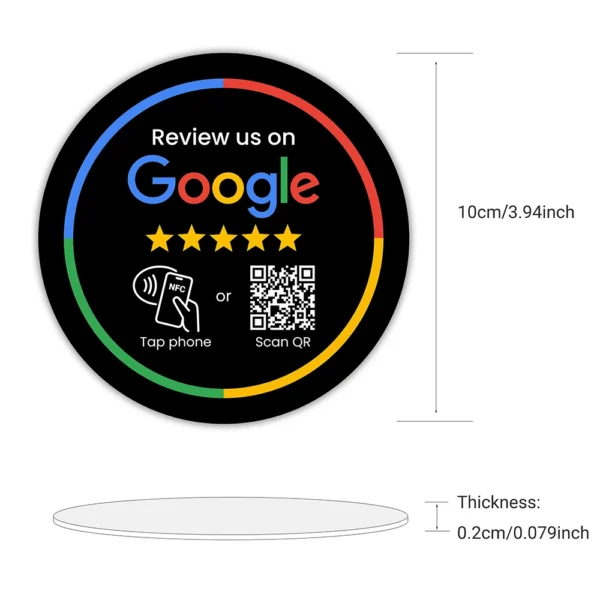
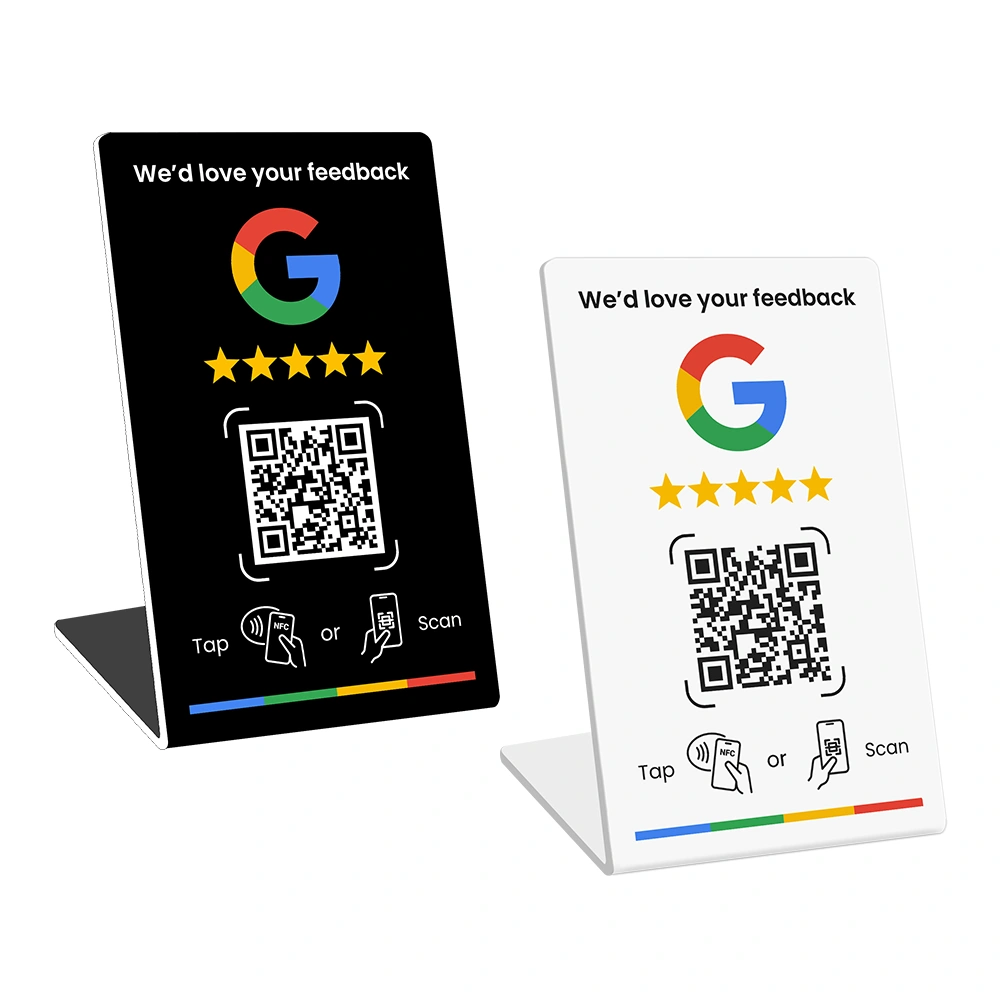
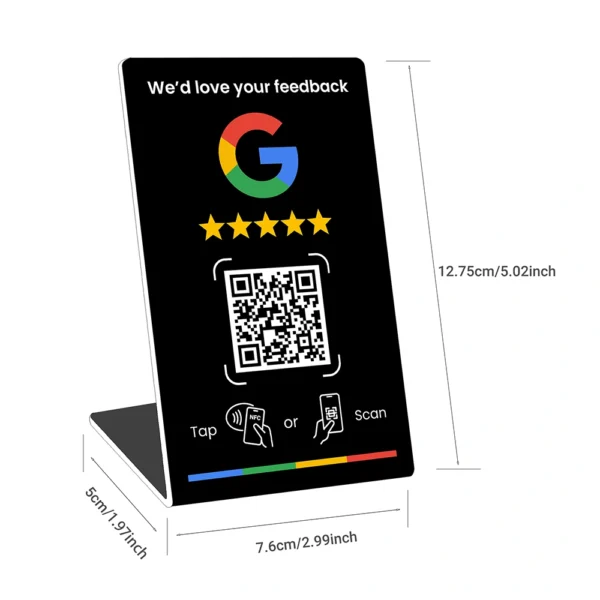
For small business owners looking to enhance their online reputation, utilizing both platforms effectively is key. Encourage satisfied customers to leave reviews on Google for better visibility in search results while also engaging with your audience on Facebook to build community trust. By leveraging tools like ReviewUp’s NFC cards, plaques, and stands, you can make it easier than ever for customers to leave feedback on both platforms.
Explore ReviewUp.com.au today to discover how you can streamline your review collection process!